Pasta Making Class for Foodies: A Beginner’s Guide
 January 27, 2026
 7 min read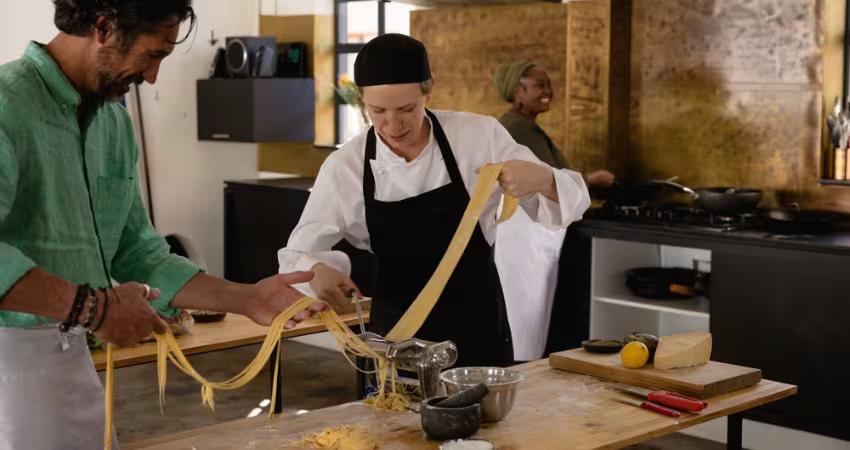
Learning how to make fresh pasta from scratch is one of the most rewarding experiences for any food lover. A pasta making class takes you beyond recipes and into the fundamentals of dough, texture, and technique; skills that turn simple ingredients into something special.
Whether you’re booking a pasta making class for beginners or joining a hands-on pasta cooking class while traveling, these workshops are designed to be approachable, social, and fun. From kneading dough to shaping classic pasta styles, this beginner’s guide walks you through what to expect, what you’ll learn, and how to choose the right pasta making workshop for you.
Why Take a Pasta Making Class?
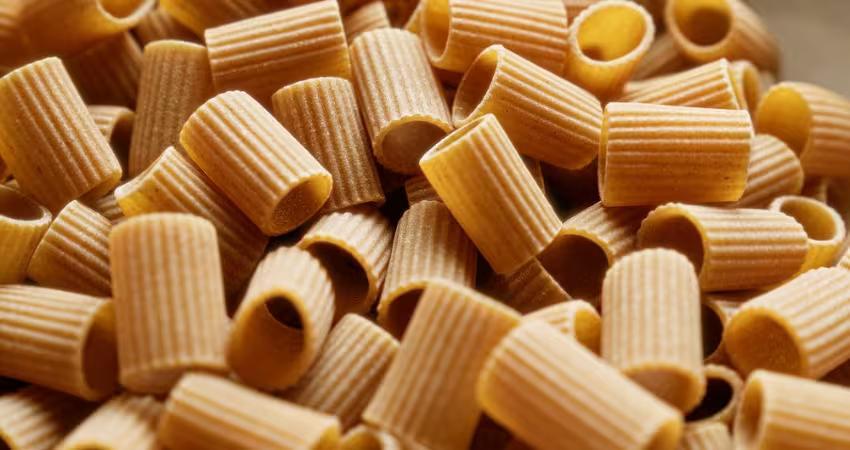
Cooking pasta at home from scratch may sound intimidating, but it’s surprisingly approachable once you’re shown the ropes. A fresh pasta cooking class will help you overcome the anxiety of making pasta from scratch.
You'll gain hands-on skills such as mixing and kneading pasta dough to using a pasta machine. And the best thing is that you won’t be alone and there will be expert guidance on every step of the process.
You will also learn traditional techniques of making pasta and its cultural roots. Different pasta shapes and sauces will be presented before you to explore them. At the end of the class, you'll leave with pasta recipe cards that you can use at home. For foodies, this is a great way to spend time.
Who Should Take a Pasta Making Class?
A pasta making class is ideal for beginners, home cooks, couples, and foodies who want a hands-on culinary experience. You don’t need professional skills, just curiosity and a love for good food. These classes are especially popular for travelers, team outings, and anyone looking to learn authentic pasta techniques in a relaxed setting.
Is a Pasta Making Course Worth It for Beginners?
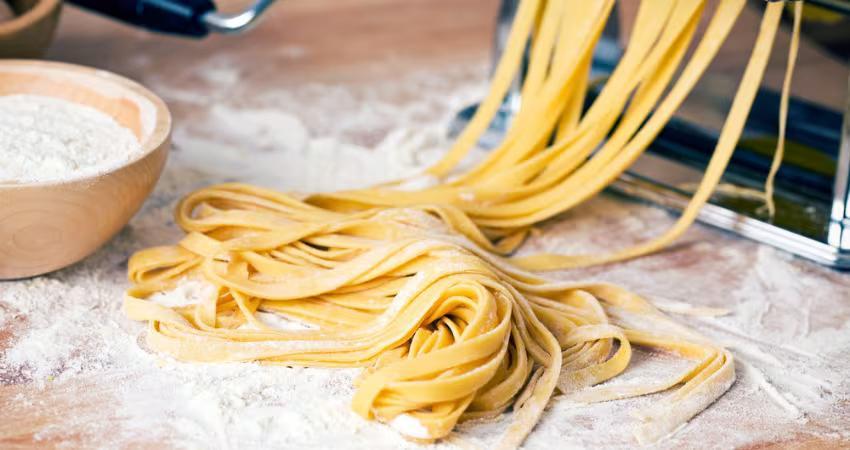
For beginners, a pasta making course removes the guesswork from homemade pasta. You learn correct dough ratios, kneading techniques, and shaping methods that are hard to master alone. Compared to trial-and-error at home, a guided pasta cooking class fast-tracks your confidence and results.
What to Expect in a Pasta Making Class
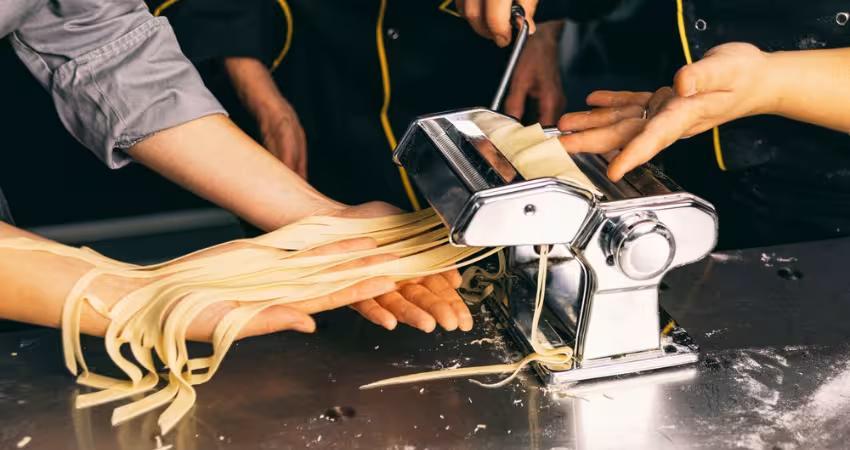
A pasta cooking workshop for beginners can feel a little bit daunting but also quite exciting. You'll start with the introduction and basics like choosing the flour for your pasta. You'll usually begin with semolina flour, eggs, olive oil, and sometimes water. Your instructor will explain the role of each ingredient in making a perfect pasta dough. Your fresh dough needs resting before you start rolling it. While it rests, you'll be explained the history of pasta shapes and wine pairing tips for your pasta.
When the dough is perfect to roll, you'll use a rolling pin or a pasta machine to transform the dough into sheets and cut them into different shapes as per your preference or how you’re guided. The most used shapes of pasta are tagliatelle, fettuccine, and stuffed ravioli is also used.
The last step is to boil your pasta for a few minutes and drizzle it with olive oil or any sauce of your choice. It’s a delicious reward to enjoy your pasta that you made from scratch.
The Essentials You’ll Learn
Here are some of the things you’ll learn in your class:
- How to make fresh pasta step by step and the importance of each step in making plated perfection.
- You’ll learn the importance of semolina flour and egg why it’s often used for a better texture and durability.
- How to knead the dough properly, and recognizing when to stop after it's smooth and elastic.
- The history of pasta shapes and knowing which shapes pair best with different sauces.
- Using different tools such as pasta machine vs rolling pin—when to use which.
Homemade Pasta vs. Store-Bought
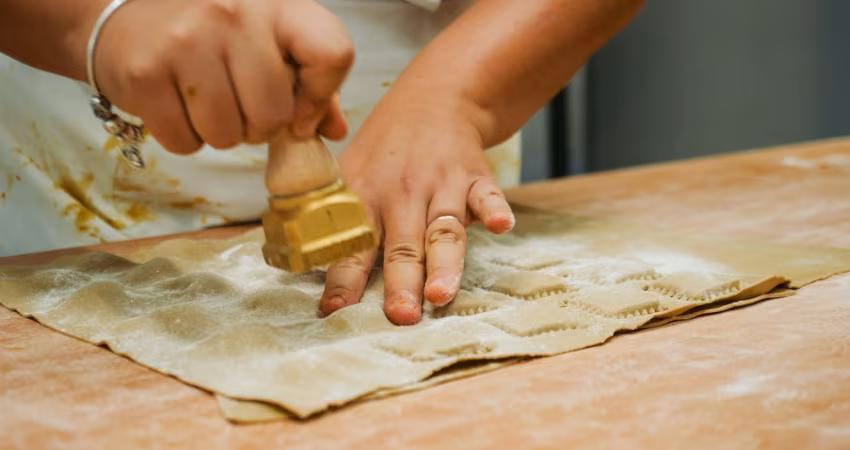
When you go through the effort of making your own pasta, you'll realize why it’s so much better than store bought pasta. Even though it’s everywhere, the texture and flavour of both pastas are entirely different.
On one hand, you have a silkier pasta that absorbs sauce beautifully and has a deep flavour. On the other hand, we have the boring store-bought pasta that lacks flavour, has undesirable texture, and doesn’t absorb sauces well. No judgment on someone if they use store-bought pasta, I mean it’s convenient and saves time when you’re busy, but once you taste the homemade delicious fresh pasta, you won’t go back!
Moreover, you can experiment with spinach pasta, whole wheat flour, or even colored doughs—the choice is yours. Plus, every ingredient will be fresh which makes everything better.
Pasta Making as an Experience
More than a class, it’s often designed as a social event. Many pasta making classes include:
- Wine pairing with your fresh pasta.
- Small group settings, so everyone gets attention.
- Interactive formats, turning the workshop into a fun outing with friends or colleagues.
It’s a cooking class and a memorable evening rolled into one.
How to Practice Pasta Making at Home
After attending a authentic pasta making class for beginners, you don’t want to stop and keep practicing. You can get started at home with a few ingredients and a little space in your kitchen.
Set up a place with flour, eggs, olive oil, and a mixing bowl. Knead the dough on the counter or in the bowl as per your preference and keep kneading for around 10 minutes until it becomes smooth and perfect. Cover and let it rest for 30 minutes.
In the meantime, prepare your tomato sauce, pesto sauce, or any other sauce for that matter. If you like it simple, then simple butter/olive oil with lemon and Parmesan will do. If you want something fancy, then experiment with different ingredients.
When the dough is done resting, you'll roll and cut with a pasta machine or rolling pin. Cook immediately in salted boiling water for 3-4 minutes. Now, put the pasta in your prepared sauce and you’re done! It’s that simple. With practice, you'll become an expert and more confident.
Finding the Right Pasta Making Class Near You
When searching for a pasta making class near me, look for:
- Beginner-friendly workshops: Often labeled as “pasta making class for foodies” or “homemade pasta class.”
- Small group sizes: Ideal for personal attention.
- Extras included: Recipe cards, wine pairing, or sauce-making demos.
- Reputation: Check reviews for consistent quality.
Some culinary schools offer structured pasta making courses, while local cooking studios may run shorter pasta making workshops. Both options are excellent depending on your goals.
Common Pasta Shapes You’ll Encounter
In most pasta making classes, you’ll learn a few staple shapes:
- Tagliatelle: Long, flat ribbons.
- Ravioli: Stuffed pillows, often filled with ricotta.
- Farfalle: Bow-tie shaped, great for cold pasta salads.
- Pappardelle: Wide ribbons, ideal for hearty sauces.
The instructor usually shows how sauce choice aligns with each shape—a vital detail in Italian pasta making traditions.
Tips for Success in Your First Pasta Cooking Class
- Arrive a few minutes early to settle in.
- Wear comfortable clothes, you’ll get flour on yourself!
- Ask questions. Instructors love sharing their knowledge
- Don’t worry about perfection. Even rustic pasta tastes delicious.
FAQs
How long does a pasta making class usually last?
A typical pasta making workshop runs 2–3 hours, including cooking and tasting.
Do I need prior cooking experience?
Not at all. Pasta making classes for beginners are designed to be accessible.
Can I make pasta without a pasta machine?
Yes. Many classes show how to use a rolling pin for rustic sheets.
What ingredients should I expect to use?
Most recipes use flour and egg, sometimes with semolina flour or olive oil.
Do pasta cooking classes include wine?
Some do! Look for “fun pasta making class with wine pairing” options.
Can I recreate pasta at home after one class?
Absolutely. With recipe cards and practice, you’ll confidently make pasta at home.
About Author

Ammara Younas
Travel WriterAs a travel blogger, Ammara revels in the art of discovery, seeking out hidden gems and capturing the essence of places that often slip past the notice of others. Her passion for writing drives her to explore and document these overlooked treasures, partnering with See Sight Tours to share her adventures with the world. Through her travel guides, she aims to inspire readers to delve deeper into their journeys, uncovering the extraordinary in the seemingly ordinary and challenging themselves to explore beyond the surface.



 Discord
 Instagram
 Facebook


