Top Reasons to Visit a Maple Sugar Bush This Season
 January 2, 2026
 7 min read
"20-100 gallons of sap for just one gallon of syrup." It’s a slow, time-honored process that turns the rhythm of spring into liquid gold. And the best part? You can experience it up close, right where it all begins in a maple sugar bush.
I’ve been to my fair share of sugar shacks, but there’s something about stepping into a maple forest at the peak of the sugaring season that feels timeless. The crisp air, the faint sweetness of sap boiling over a wood fire, families wandering between sugar trees, and that unmistakable aroma of pure maple in the air. Whether you’re in Ontario, Quebec, Vermont, or upstate New York, visiting a maple sugar bush is about stepping into one of North America’s oldest seasonal traditions.
If you’re wondering when’s the best time to visit a maple sugar bush, what to do there, and why it’s worth adding to your spring itinerary, this guide has you covered.
The History of Maple Sugaring: A Tradition Rooted in the Forest
Long before modern sugar shacks and gleaming evaporators, Indigenous peoples were the first to discover the magic hidden in maple trees. They collected sap using wooden troughs and hollowed-out logs, then boiled it down into sugar or taffy over open fires. Early settlers learned these methods, refining them with metal taps and buckets.
Today, maple syrup production in Canada and the northern U.S. has become both an art and a science. But at its heart, it remains a communal ritual and a celebration of nature’s generosity and the first true sign of spring.
How Maple Syrup Is Made from Tree Sap
If you’ve ever wondered how pure maple syrup is made from tree sap, the process is simple yet fascinating. During late winter and early spring, as nights freeze and days warm, sap begins to flow inside sugar maples. This flow happens when the temperature swings above and below zero, nature’s own pump system.
Tapping the Trees:
Each maple tree is drilled and fitted with a small tap (spile). The sap drips into buckets or plastic tubing systems that connect to a central collection point.
Collecting the Sap:
It takes about 40 gallons of sap to make a single gallon of syrup, a powerful reminder of how much effort goes into every bottle.
Boiling and Evaporating:
The collected sap is boiled in an evaporator, where most of the water is removed, and the sugar content is concentrated. Once the syrup reaches around 66–67% sugar content, it’s filtered and ready.
Bottling and Grading:
From light amber to dark robust, each grade of syrup tells its own flavor story. And it’s influenced by weather, region, and tree variety.
Best Time to Visit a Maple Sugar Bush
The best time of year to visit a maple sugar bush is typically from late February through early April, depending on the region. The maple syrup tapping season coincides with the freeze-thaw cycle, cold nights below freezing and warm days just above.
If you’re in:
- Ontario or Quebec: Mid-March to early April is prime time.
- Vermont or Maine: Late February through early March offers ideal conditions.
- New York or Wisconsin: Early to mid-March is usually peak sap flow.
During this short window, sugar bushes open to the public for tours, tastings, and family-friendly experiences.
What to Do at a Sugar Bush
There’s so much more than syrup sampling. Here’s how to make the most of your visit:
Join a Maple Sugar Bush Tour
Watch the maple syrup making process in real time. You’ll follow the journey from tapping trees to boiling sap, often guided by local producers who’ve been perfecting their craft for generations.
Visit a Sugar Shack
The sugar shack (or “cabane à sucre” in Quebec) is where the magic happens. Here, sap boils into syrup in giant kettles, filling the air with a sweet, smoky aroma. Many sugar shacks offer hearty maple-themed meals: pancake breakfast, sausages, baked beans, and of course, maple taffy on snow.
Enjoy Maple Syrup Tasting
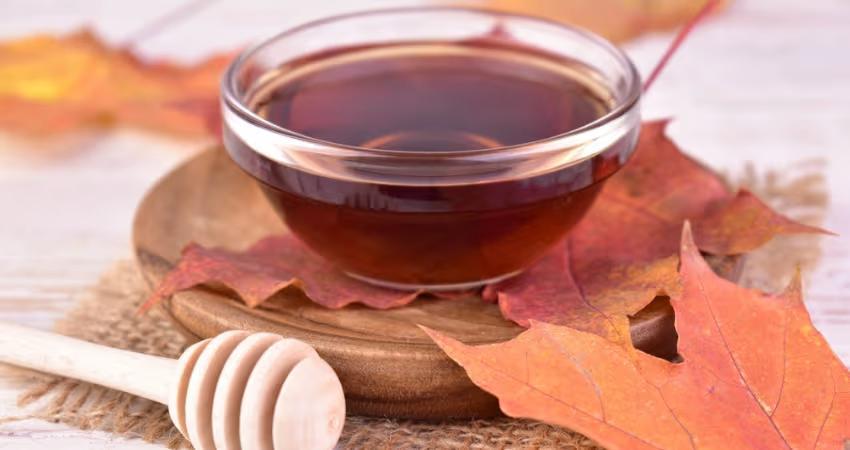
From light and buttery to dark and molasses-like, every syrup tells a story. Try multiple grades and learn to distinguish subtle flavor notes.
Explore Family-Friendly Maple Sugar Bush Tours
Bring the kids along for wagon rides, forest walks, and maple candy-making workshops. Many farms add fun activities like scavenger hunts or live demonstrations, making it one of the top family-friendly maple sugar bush tours of the year.
Attend Maple Syrup Festivals
Plan your trip around a local maple syrup festival or Maple Weekend, annual events that showcase producers, artisans, and entertainers. You’ll find live music, markets, crafts, and maple-infused everything.
The Science Behind the Sweetness: Sugar Trees & Sap Flow
Not all trees can make syrup. Only sugar maple trees can—red maples, and black maples produce sap sweet enough for syrup. Among them, sugar maples reign supreme for their high sugar content (about 2–3% per gallon).
The sap flow depends on temperature swings and the health of the trees. The process stops once buds appear, which is why timing matters so much. Every visit feels like catching nature in a perfect moment.
Things to Do in Maple Syrup Season
If you’re looking for things to do in maple syrup season, here are a few can’t-miss experiences:
- Try taffy on snow: Hot syrup poured over snow, rolled onto a stick, and eaten like candy.
- Join a “Maple Weekend” event: Sample maple butter, sugar candies, and maple-inspired foods.
- Take photos in the sugar bush: The late-winter sunlight through bare trees makes for stunning nature shots.
- Learn about sustainability: Many farms educate visitors about forest stewardship and climate-friendly syrup production.
- Bring home maple flavoured products: Syrups, candies, marinades, and even maple-infused coffee and spirits.
Top Maple Farms to Visit This Spring
Here are a few of the most popular (and scenic) sugar bushes open to the public:
1. Bragg Farm Sugarhouse (Vermont, USA)
A family-run operation for eight generations and maple syrup producer. It offers traditional syrup-making and maple creemees (soft-serve ice cream).
2. Fulton’s Sugar Bush (Ontario, Canada)
A top spot for Canadian maple syrup tours, sleigh rides, and outdoor fire pits surrounded by the forest.
3. Sucrerie de la Montagne (Quebec, Canada)
A UNESCO heritage gem that feels frozen in time: log cabins, rustic meals, and folk music.
4. Morse Farm Maple Sugarworks (Montpelier, Vermont)
Interactive exhibits and tasting rooms that make learning about maple fun and flavorful.
5. Shaw’s Maple Products (New York, USA)
Renowned for their maple syrup tasting experience and educational tours during the maple sugar season.
FAQs
Q1. When is maple syrup season?
Maple syrup season typically runs from late February to early April, depending on the region’s temperature swings.
Q2. What should I wear when visiting a sugar bush?
Dress warmly in layers, wear waterproof boots, and bring gloves, the ground can be muddy or snowy during tapping season.
Q3. Can I visit a sugar bush with kids?
Absolutely. Many offer family-friendly maple sugar bush tours with kid-focused activities and hands-on experiences.
Q4. How long does maple syrup production last?
Usually 4–6 weeks, ending when temperatures stay consistently warm and sap flow stops.
Q5. How do I find a sugar bush near me?
Search for “sugar bush near me” or check local tourism boards. A lot of them have maps of farms open to the public during Maple Weekend.
About Author

Ammara Younas
Travel WriterAs a travel blogger, Ammara revels in the art of discovery, seeking out hidden gems and capturing the essence of places that often slip past the notice of others. Her passion for writing drives her to explore and document these overlooked treasures, partnering with See Sight Tours to share her adventures with the world. Through her travel guides, she aims to inspire readers to delve deeper into their journeys, uncovering the extraordinary in the seemingly ordinary and challenging themselves to explore beyond the surface.



 Discord
 Instagram
 Facebook


