Travel Food Safety: 5 Rules to Enjoy Street Food Safely
 December 29, 2025
 7 min read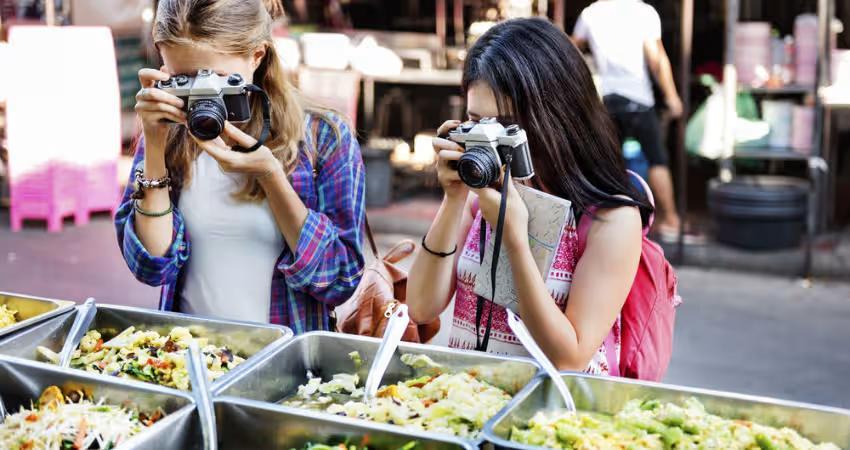
Street food is the heartbeat of travel: colorful, spontaneous, and bursting with local flavor. From sizzling tacos in Mexico City to smoky satay in Bangkok, it connects travelers to the soul of a place. Yet for many, street food also comes with one major fear: getting sick while traveling.
Skipping street food entirely means missing out on one of travel’s greatest joys. According to the World Food Travel Association, food experiences are now a top reason people choose their destinations. Learning how to eat street food safely isn’t just smart, it’s essential for every traveler who wants to enjoy food adventurously and responsibly.
This guide covers the 5 rules for eating street food without getting sick, plus practical travel food safety and food hygiene tips for travelers. Follow these, and you’ll taste the world confidently—one delicious bite at a time.
Rule 1: Eat When the Locals Eat
Locals are your best guide to safe and delicious street food. If you see a line of residents waiting at a street food stall, that’s the ultimate green flag. Busy stalls mean fast turnover, fresh ingredients, and vendors motivated to keep things clean and tasty.
Look for:
- Crowds of families or office workers eating there.
- Clean surfaces, gloves, and separate utensils for raw and cooked food.
- Vendors handling money and food separately.
In Asia and beyond, eat when the locals eat. Locals instinctively know which street vendors maintain hygiene and which ones to skip. Observing before ordering is one of the easiest ways to ensure street food safety.
Rule 2: Choose Freshly Cooked Food Served Hot
When it comes to travel food safety, heat kills bacteria. Anything cooked at high temperatures (above 70°C/160°F) is far safer than pre-prepared or lukewarm food.
Safe street food tips:
- Pick vendors who cook to order.
- Avoid trays of pre-cooked rice, sauces, or meat sitting out.
- Go for dishes sizzling on grills or bubbling in hot oil.
If it’s steaming, it’s safe! Whether you’re grabbing fried noodles or grilled skewers, freshly cooked food is your best bet to avoid getting sick when traveling.
Rule 3: Be Smart About Water and Ice
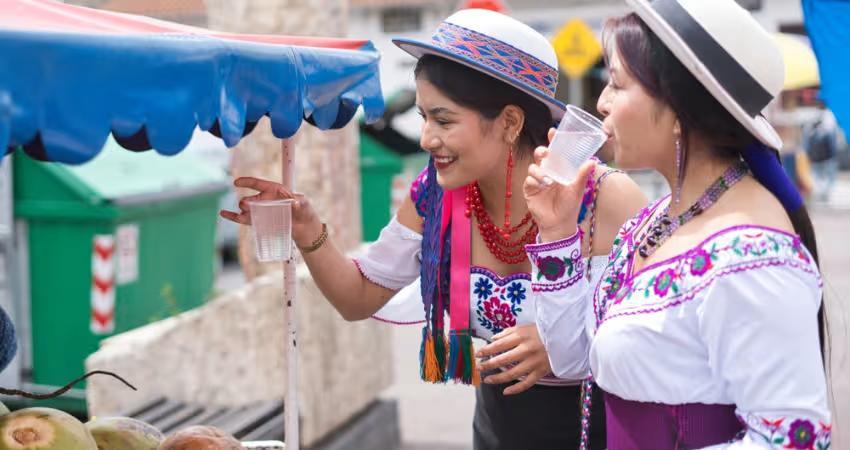
Unsafe water is one of the leading causes of food poisoning abroad. Even if your food is perfect, contaminated ice or unfiltered water can ruin your trip.
Safe drinking water tips when traveling:
- Always use sealed bottled or filtered water, check that the cap is intact.
- Avoid ice unless you’re sure it’s made with purified water.
- Brush your teeth with bottled water in regions where tap water isn’t safe.
Keep oral rehydration salts or electrolyte tablets in your bag, and consider activated charcoal capsules to help your gut if things go wrong. Simple habits like these protect you from dehydration and stomach upset.
Rule 4: Stick to Fruits You Can Peel Yourself
Fresh fruit markets are irresistible, especially in tropical countries. But street food stalls selling pre-cut fruit can be risky if they use unsafe water or touch surfaces repeatedly.
Best practice:
- Choose fruits you can peel yourself—bananas, oranges, papayas, and mangoes are great options.
- Avoid pre-sliced fruit or juices unless they’re made fresh in front of you.
- Bring your own disposable cups or reusable bottles.
If you crave juice, choose a vendor who peels and squeezes fruit right in front of you and remember to avoid ice unless it’s clearly from filtered water.
Rule 5: Trust Your Senses and Your Gut
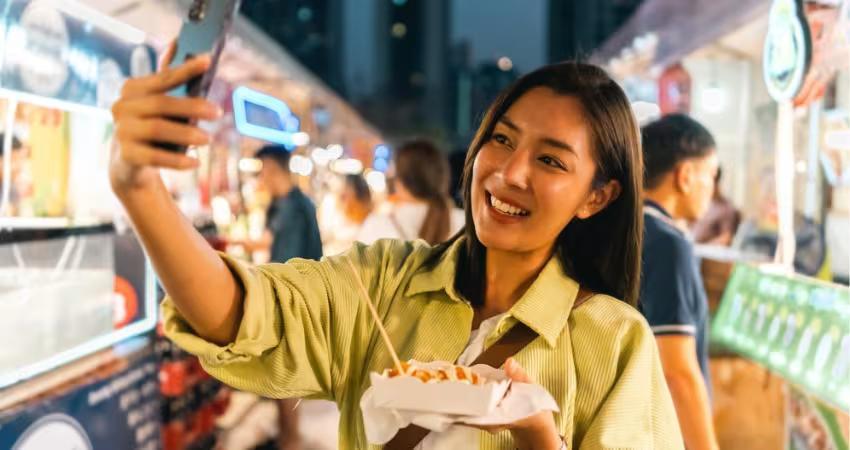
Your instincts are powerful tools for eating food safely. Take a moment to observe before ordering. Does the stall smell clean? Are the ingredients fresh? Are raw and cooked foods stored separately?
Ask yourself:
- Does the food smell and look freshly cooked?
- Is the vendor using clean utensils and gloves?
- Are containers covered and water stored safely?
If something feels off, walk away. Eating street food safely means listening to your body, it’s better to miss one snack than lose a day of your trip to stomach cramps.
Extra Food Hygiene Tips for Travelers
Small habits go a long way in protecting your health on the road:
- Carry hand sanitizer or baby wipes to clean your hands before eating.
- Eat during peak meal hours for fresher food.
- Bring your own utensils if you’re extra cautious.
- Take probiotics or activated charcoal when trying new cuisines.
When exploring street food in Asia, moderation helps too. Sample small portions from several food vendors instead of one big meal to avoid overwhelming your stomach.
What to Avoid Eating from Street Vendors
Even seasoned travelers should know when to skip certain foods.
High-risk items include:
- Raw salads or fruits washed in unsafe water.
- Creamy desserts or dairy drinks stored at room temperature.
- Seafood or shellfish that isn’t cooked or refrigerated.
- Open sauces or chutneys exposed all day.
In tropical climates, bacteria multiply quickly. Stick to freshly cooked food and avoid getting sick by steering clear of anything cold, raw, or uncovered.
Safe Street Food Tips for Asia
Asian street food is world-famous but hot weather can increase risks. Here’s how to enjoy street food without getting sick in Asia:
- Look for flames, sizzling woks, or steaming pots all signs of safe heat.
- Vendors with gloves, aprons, and clean workspaces are a good sign.
- Avoid dairy-based drinks or desserts unless they’re hot and freshly made.
- If you have a sensitive stomach, start with mild foods like rice, bread, or dumplings.
Follow these safe street food tips for Asia to enjoy every flavor safely.
Handling Food Poisoning When Traveling
Even the most careful traveler can get unlucky. If you suspect food poisoning, stay calm and follow these recovery steps:
Immediate care:
- Stay hydrated with bottled or electrolyte water.
- Use oral rehydration salts or electrolyte tablets.
- Eat light foods (BRAT diet: bread, rice, applesauce, toast).
- Avoid caffeine, alcohol, and dairy until you’re fully recovered.
If symptoms last beyond 48 hours or include fever, see a doctor immediately.
FAQs
1. Is street food safe to eat?
Yes, when you choose the right vendors. Eat where locals eat, and pick stalls serving hot, freshly cooked food.
2. What are the 5 rules for eating street food?
Watch locals, eat freshly cooked food, avoid unsafe water, choose peelable fruits, and trust your instincts.
3. How to enjoy street food without getting sick?
Eat at busy times, sanitize hands, skip raw garnishes, and use bottled water.
4. What should I avoid eating from street vendors?
Raw seafood, cream desserts, dairy drinks, and sauces sitting out all day.
5. Are there special tips for Asia?
Yes, focus on clean vendors, fresh flames, and avoid milk-based drinks in hot climates.
6. What are safe drinking water tips when traveling?
Drink only sealed or filtered water, avoid ice, and keep a purifier or tablets handy.
7. What should I do if I get food poisoning abroad?
Hydrate, rest, take rehydration salts, and seek medical care if symptoms persist.
About Author

Ammara Younas
Travel WriterAs a travel blogger, Ammara revels in the art of discovery, seeking out hidden gems and capturing the essence of places that often slip past the notice of others. Her passion for writing drives her to explore and document these overlooked treasures, partnering with See Sight Tours to share her adventures with the world. Through her travel guides, she aims to inspire readers to delve deeper into their journeys, uncovering the extraordinary in the seemingly ordinary and challenging themselves to explore beyond the surface.



 Discord
 Instagram
 Facebook


