Why Candle Making Is the New Trend in DIY Experiences
 January 7, 2026
 7 min read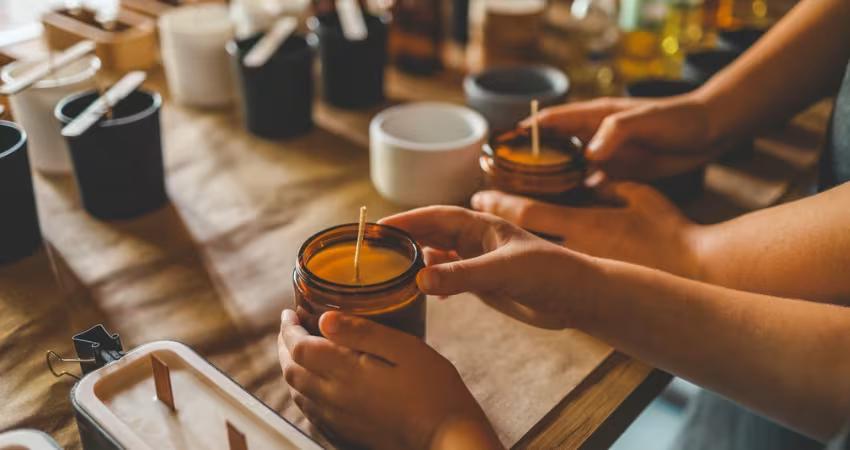
I still remember the first time I poured melted soy wax into a glass jar, the scent of sandalwood and vanilla filled the air, and suddenly my apartment felt calmer. It was a moment I’d made with my own hands. And that’s exactly why candle making has become the new favorite in the world of DIY experiences.
In the near future, the market size of candles is expected to grow significantly globally. The estimated value is about 13.28 billion dollars till 2033. The reason? Candles have become a wellness essential and they’re a major part of home decor and relaxation in US households. Another reason is that people crave creative outlets that combine artistry, mindfulness, and tangible results—all wrapped in a comforting scent.
Candle making is a sensory craft and a form of self-care. They have also increasingly become a social experience that makes a community and boosts creativity.
Whether you’re a hobbyist, home décor enthusiast, or simply looking for an activity that soothes the mind and delights the senses, candle making delivers on all fronts.
The Rise of DIY Candle Making
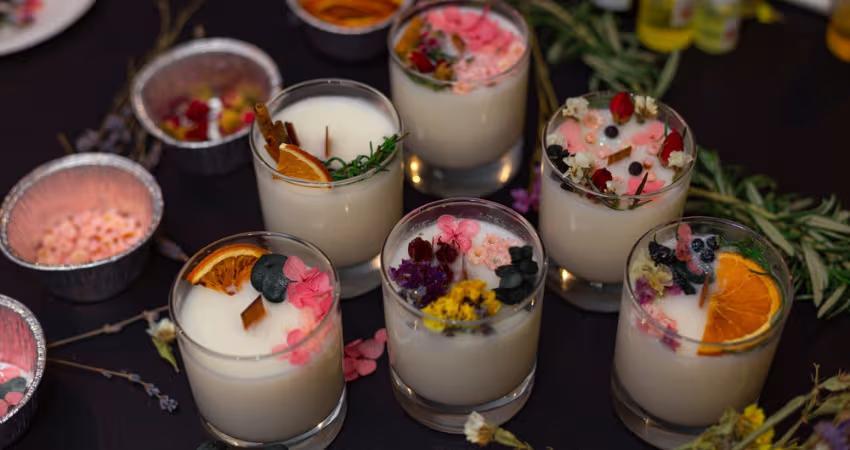
The growing DIY candle making trend reflects a deeper shift in how people seek fulfillment. Rather than buying mass-produced goods, we’re turning toward handmade, high-quality, and eco-friendly creations.
Workshops, pop-ups, and online classes now make candle making experience for beginners accessible to everyone. They don’t just teach how to mix wax and fragrance oil, they show how to design personalized candles. The act itself slows you down, focuses your attention, and offers instant gratification.
Plus, it’s versatile. You can use natural soy wax, beeswax to make natural candles. Or experiment with different blends and fragrance oils for a stronger scent throw.
You can even create seasonal scented candles that double as stylish décor or thoughtful gifts. This way you make your personalized candle and the process doesn’t take longer than 45 minutes.
Why DIY Candle Making Is Trending
1. A Creative Outlet That Relaxes the Mind
Modern life is noisy. Candle making offers a pause and a hands-on way to unwind. The process engages all the senses: the warmth of when wax melts, the aroma of essential oils, and the meditative rhythm of pouring and cooling. Many describe it as therapy you can light.
2. Eco-Friendly and Sustainable Crafting
As awareness around sustainability grows, eco-friendly candle making at home has gained popularity. Soy candles made from soy wax or other waxes such as coconut wax, and beeswax burn cleaner than paraffin and are biodegradable.
Combine that with reusable glass jars (any candle vessels) and cotton wicks, and you’ve got a sustainable hobby that aligns with conscious living.
3. Perfect for Home Décor and Gifting
A handmade candle is not just about making your home smell good, it’s an art. From minimalist matte jars to colorful layered waxes, DIY candle making lets you match your home’s aesthetic or create meaningful gifts. Personal labels, dried flowers, and unique burning properties add a premium, custom touch.
4. An Experience to Share, Not Just a Hobby
What was once a solo craft has evolved into a social experience. Group candle making activities, from date nights and team-building sessions to candle making for couples, bring people together. It’s equal parts creativity and connection, making it one of the most popular candle making workshop experiences today.
5. From Hobby to Side Hustle
For some, candle making has become more than a weekend hobby. With high-quality candle making supplies and branding options, many enthusiasts now sell their handmade/homemade candles online or at local markets. The relatively low startup cost and high perceived value make it a smart creative business venture.
Exploring Wax Types and Materials
Not all waxes are created equal, and understanding wax types is key to crafting a great candle.
Soy wax is a popular choice for candle making because it is natural, long-lasting, and burns cleanly. It is especially well-suited for beginners and anyone looking to create eco-friendly candles. Beeswax offers a slow, steady burn and a subtle natural honey aroma, making it ideal for natural or unscented candles.
Coconut wax is known for its smooth, luxurious finish and excellent scent throw, which makes it a favorite for premium scented candles.
Paraffin wax stands out for its strong fragrance performance and ability to hold vivid colors, so it is often used for decorative or artistic candle designs.
Blended waxes combine different wax types to achieve a balanced performance, making them a good option for experimental candle makers who want to customize burn, scent, and appearance.
Pair your wax with the right wicks and fragrance oils to optimize burn time, safety, and aroma distribution. For example, wooden wicks add a cozy crackle, while cotton wicks provide a consistent flame.
The Science of Scent Throw and Fragrance
If you’ve ever lit a candle that smelled amazing in the jar but disappeared once burning, that's a poor scent throw. This term refers to how well a candle disperses fragrance. The key lies in balancing fragrance oil concentration, wax type, and curing time.
- Cold throw: The scent you smell before lighting.
- Hot throw: The scent released while burning.
Pro tip: For stronger hot throw, let candles cure for at least 7–10 days after pouring, and keep fragrance oil content between 6–10% depending on wax. This way candles burn more efficiently and their performance improves.
The Growing Popularity of Candle Making Workshops
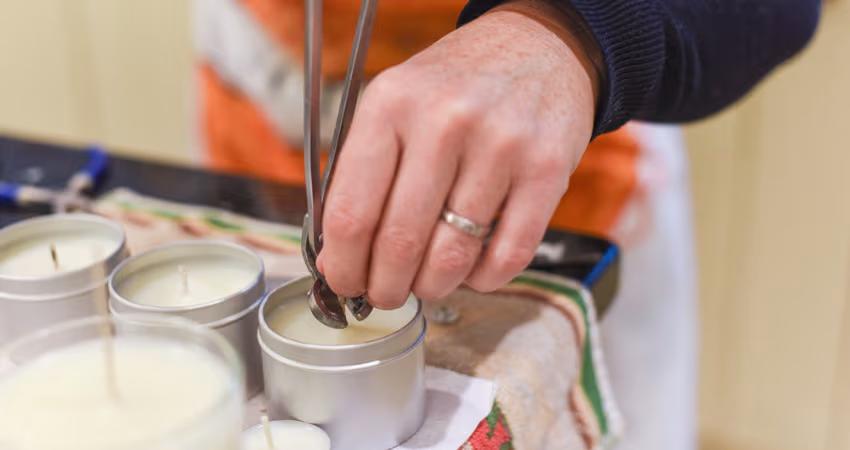
Whether it’s a candle making workshop near me or an online class, these experiences blend creativity with connection. Many boutique studios now offer themed workshops, from “Wine & Wick Nights” to “Aromatherapy Candle Labs.”
Participants often describe the sessions as both educational and restorative. You learn practical skills, like measuring temperature, choosing wicks, and blending scents, while enjoying the atmosphere of shared creativity.
It’s no wonder that candle making classes are now booked out weeks in advance in major cities. They cater to both DIY candle making beginners and seasoned candle enthusiasts looking to expand their craft.
Candle Making at Home: Tools, Kits, and Ideas
Starting DIY candle making for home décor doesn’t require a studio. With a candle making kit for beginners, you can easily create your first candle at home.
Basic Supplies Checklist:
- Soy or coconut wax
- Fragrance oils or essential oils
- Wick (cotton or wood)
- Thermometer
- Melting pot or double boiler
- Heat-resistant jars
- Stirring utensil
DIY Candle Making Ideas:
- Layered color candles for seasonal décor
- Scented travel tins for gifts
- Crystal-embedded intention candles
- Minimalist glass jar candles for desk spaces
- Aromatherapy blends for self-care rituals
Each candle you craft is a reflection of your mood, creativity, and design aesthetic, and that’s what makes it special.
Candle Making for Self-Care and Mindfulness
In an age of endless screens and digital fatigue, DIY candle making for relaxation has become a grounding ritual. The process encourages presence, from melting the wax to pouring and watching it solidify. The result? A perfect candle that helps you unwind, focus, and reconnect with yourself.
Lighting a candle you made feels different. It’s a small, quiet triumph that reminds you creativity doesn’t always need an audience—sometimes, it’s just for you.
FAQs
Why is candle making so popular right now?
Because it combines creativity, mindfulness, and tangible results. People want experiences that are sensory, sustainable, and satisfying, candle making checks all three.
What wax is best for beginners?
Soy wax is the most beginner-friendly due to its clean burn, slow melting point, and easy scent blending.
How long does it take to make a candle?
Typically 1–2 hours from start to finish, plus a few days of curing time for the fragrance to set.
Are candle making workshops worth it?
Absolutely. They provide guided instruction, high-quality materials, and expert tips. It’s perfect for beginners or anyone refining their technique.
Can candle making be a business?
Yes. Many candle enthusiasts turn their hobby into a side business, selling handmade candles online, at markets, or through subscription boxes.
About Author

Natalie Janvary
Travel WriterBased in Niagara Falls, ON, Natalie is a travel writer with Tripshepherd who tells destination stories through a local lens. She focuses on the spaces, routines, and cultural details visitors often overlook, crafting grounded, human narratives shaped by the people who live there.



 Discord
 Instagram
 Facebook


